This blog post is a love letter to my body — and also to yours. I must admit that I don’t always love my body. I wish our relationship were a more stable, loving, and respectful one — between myself and this incredible, magnificent coat of flesh, bone, tissue, and muscle that carries me through life. But it’s not. We all know how complicated our relationship with our bodies can be. Still, I want to take this moment to dedicate these words to my body.
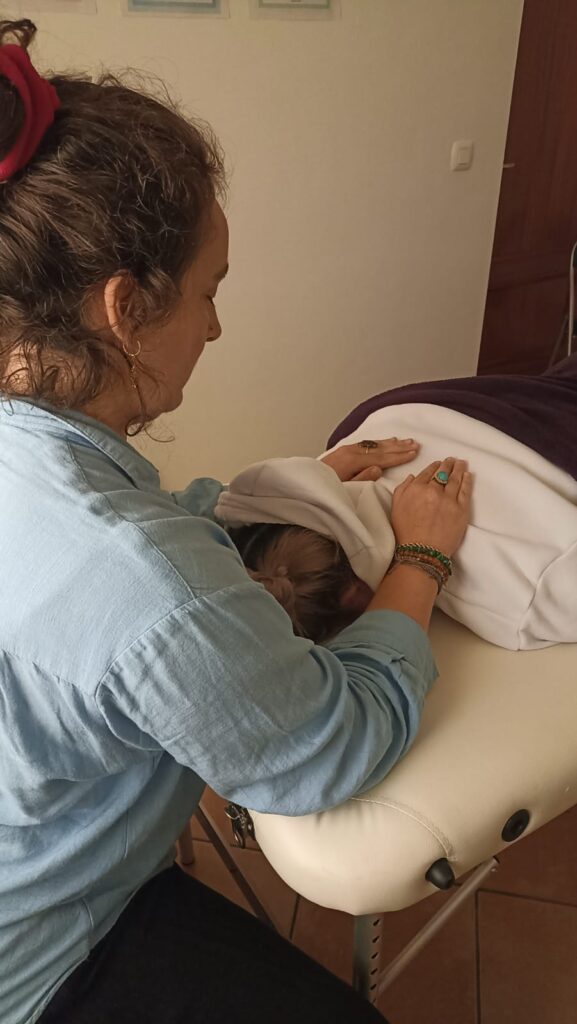
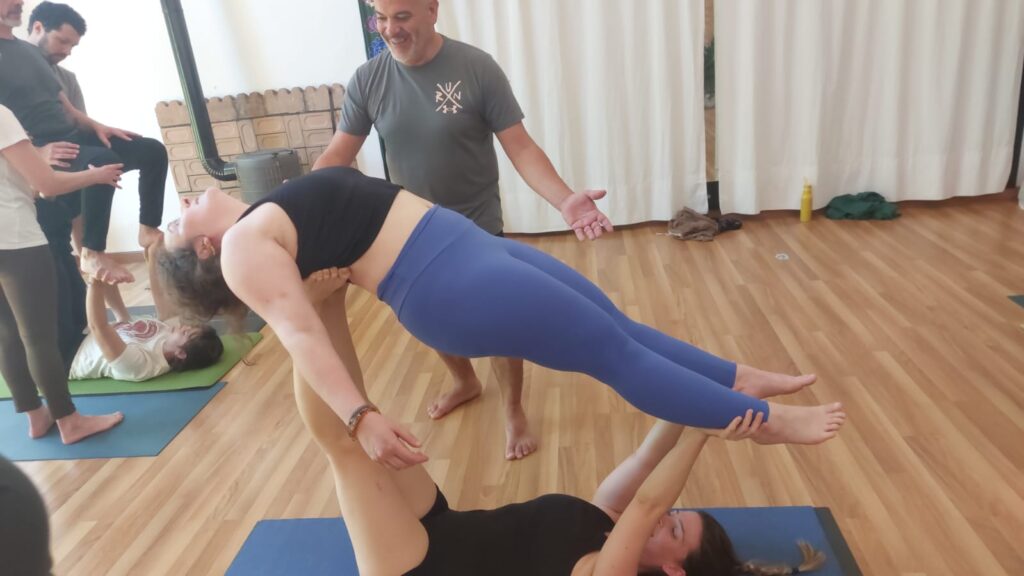
Through years of holistic body psychotherapy, yoga, meditation, conscious movement, and dance, I have learned to connect with my body and truly listen to it. We often assume that we are highly evolved beings with intelligent, flexible minds who occasionally experience emotions. To some extent, that’s true — but I’ve learned that excessive thinking is not healthy, and it’s a mistake to assume that we only feel emotions once in a while.
Our body is always here — with every breath, every step. We are constantly experiencing life through our bodies, though we are rarely aware of it because we’re not fully connected. Of course, balance matters: it wouldn’t be peaceful or practical to live in constant awareness of every physical sensation. Imagine feeling all at once the pulse of blood through your veins, the movement of your breath, digestion, muscle tension, fatigue, stress, excitement, joy, sadness, confusion — all simultaneously. No one could live like that.
But having a mindfulness practice, learning to tune into our breath, our body, and our emotional state — even for a few moments — immediately reconnects us to ourselves, to the present moment, and, spiritually speaking, to the only thing that ever truly matters: the here and now.
Living in tune with ourselves, even occasionally, helps us lead a more peaceful, content, and fulfilled life.
The Body in Learning
I apply this same approach in my English classes. The foundation of my teaching methodology is holistic and natural. When we learn something new, our bodies are involved — they make learning possible. Through our senses, we see, hear, touch, and feel new information.
When learning a foreign language, this is especially important. The emotional context, physical setting, and intellectual stimulation all shape how we experience language acquisition. They influence our confidence, motivation, and memory.
The body is the first filter through which we experience and perceive language learning. Then comes the brain — which analyses, compares, translates, and categorises information so that we can remember and use it later.
In my English classes, body awareness is the foundation of everything. You can feel it in my regular Holistic Experience classes, which always begin with a breathing exercise and a gentle check-in. It’s also evident in the immersive trips and retreats I offer. Travelling, stepping out of one’s comfort zone, entering a beautiful and nurturing environment, allowing the body to relax — and to move before, during, and after workshops — are all integral to the learning process.
My Embodied English sessions combine all of these elements in a single experience, as do my Walk and Talk events — conversation classes held in nature. The natural consequence of tuning in with oneself and connecting with one’s surroundings (especially nature) is something I’ll explore further in an upcoming post.
For today, let’s carry with us the importance of listening to our bodies — in life in general, and in the way we learn and communicate.